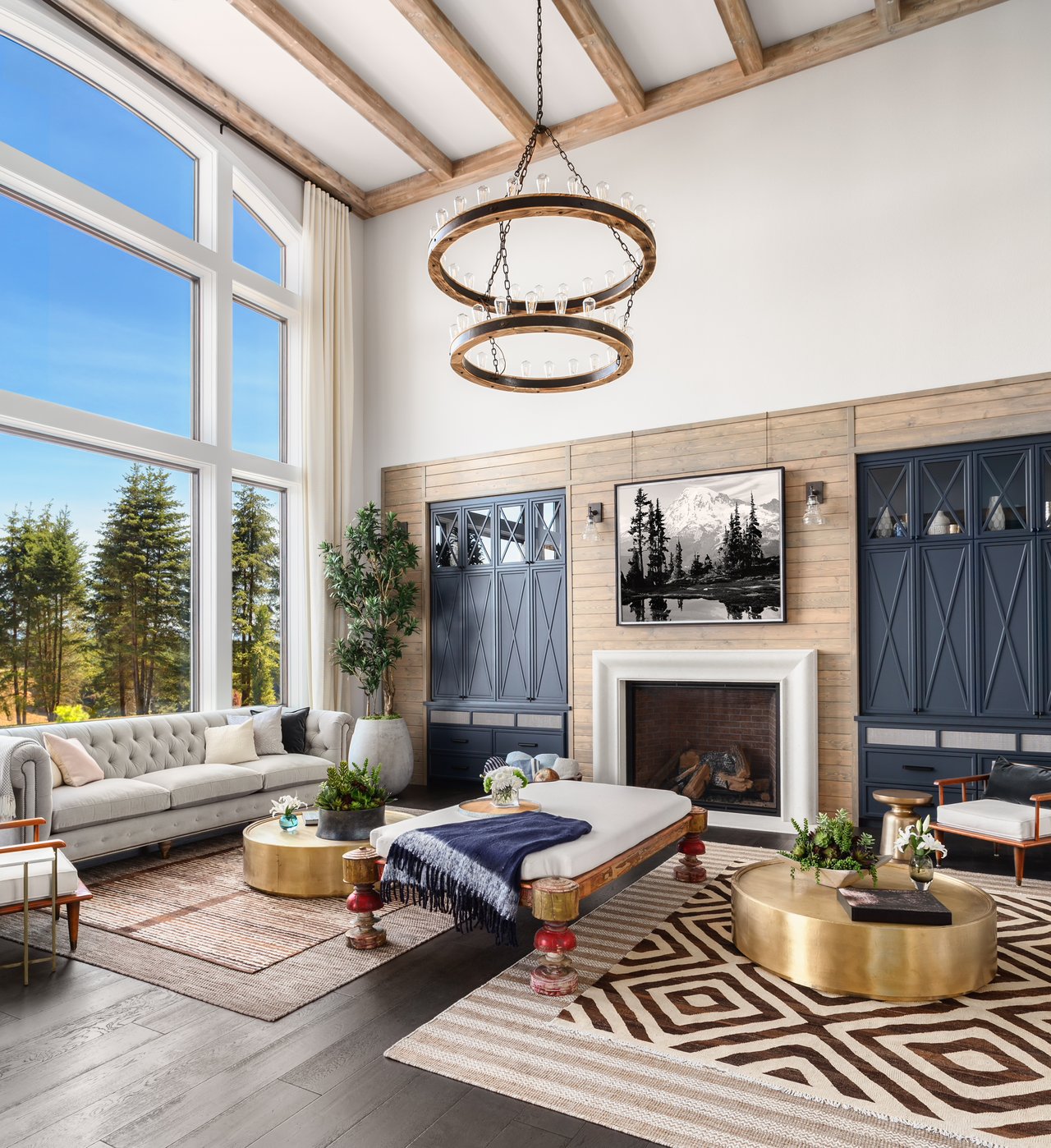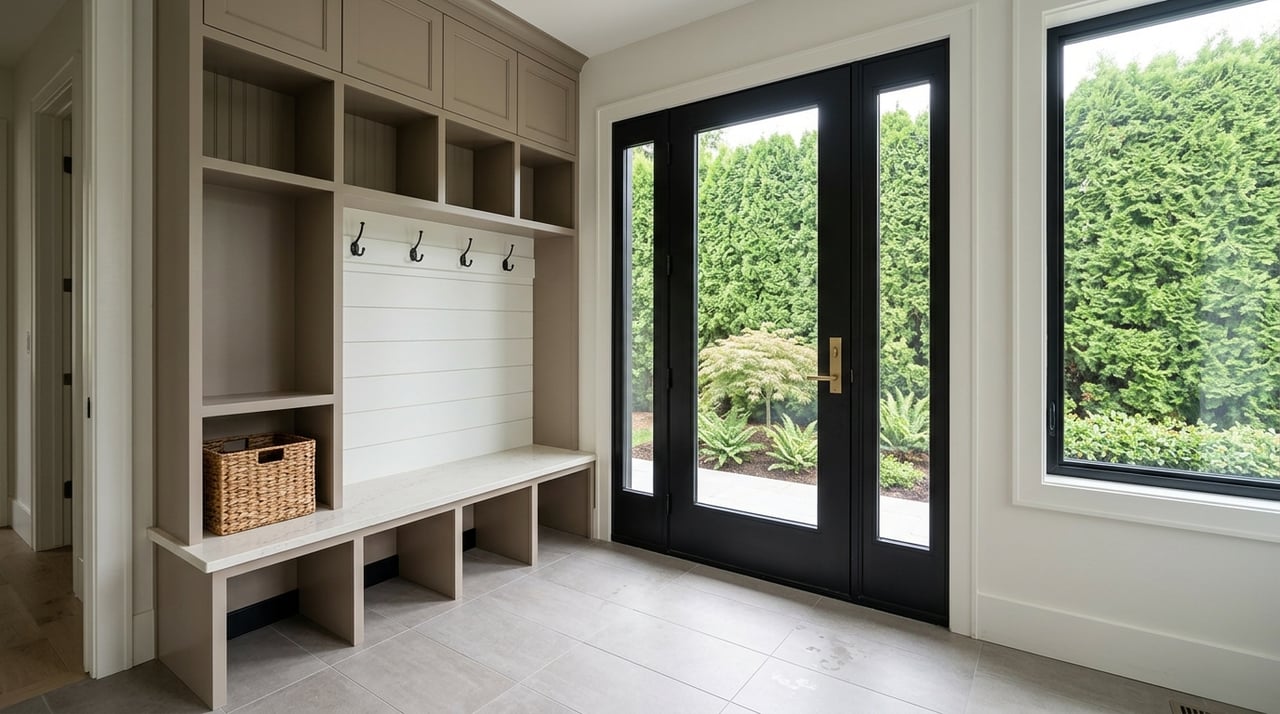
If you are looking for a home you can truly grow into, Sammamish deserves a close look. For many buyers, the challenge is not just finding enough square footage today, but choosing a place that still fits five, ten, or fifteen years from now. In Sammamish, the numbers and the city’s planning documents point to a community shaped by long-term ownership, room to spread out, and an everyday lifestyle built around parks, trails, and neighborhood convenience. Let’s dive in.
Why Sammamish stands out long term
Sammamish has several signs of a market built for staying put. According to recent QuickFacts data, 82.6% of homes are owner-occupied, the average household size is 3.00 people, and 90.6% of residents were living in the same house one year earlier. Taken together, those figures suggest a stable, owner-oriented community where many people make longer-horizon housing decisions.
That pattern matters if you are not shopping for a short stop. A long-term home often means thinking beyond the next move and focusing on how a property supports your daily life, your future needs, and your comfort over time. Sammamish aligns well with that kind of planning.
The city’s 2024 parks, recreation, and open space plan also describes Sammamish as family-heavy, noting that 54% of households include children under 18 and that the average household size was 3.03 people in 2021. The same plan describes the housing stock as predominantly single-family, which helps explain why Sammamish is often part of the conversation when buyers want more space and a more established residential feel.
What living in Sammamish feels like
Sammamish offers a suburban profile that is consistent and easy to understand. Resident resources describe neighborhoods that range from historic districts to newer areas, and from quirky spaces to more traditional suburban homes. That variety gives you options while still keeping the overall character rooted in residential living.
For many buyers, the appeal is not about density or a fast-paced urban setting. It is about finding a home with enough room for everyday life, whether that means extra bedrooms, flexible work space, a larger yard, or simply a calmer rhythm from one season to the next. Sammamish tends to attract people who value that balance.
The city’s land area also supports that sense of breathing room. Sammamish covers 20.42 square miles of land, which adds to the impression of a broader, more spread-out residential environment compared with denser Eastside settings.
Home styles to expect in Sammamish
If you are searching for a classic long-term Eastside home, Sammamish fits that picture well. The strongest housing story here is detached, family-sized living rather than a condo- or apartment-led market. That conclusion is supported by the city’s own description of predominantly single-family housing, along with the high owner-occupancy rate and larger household size.
In practical terms, that often means buyers come here looking for homes that can support multiple stages of life. You may want a property that works well now but also gives you flexibility later, whether for changing household needs, a home office, or more indoor and outdoor living space.
At the same time, Sammamish is not standing still. The city says its 2024 Comprehensive Plan update and related regulations took effect on January 1, 2025, showing an active effort to manage growth and broaden housing options over time. That is worth knowing if you are thinking not only about today’s inventory, but also about how the community may evolve in the years ahead.
The city’s affordable housing regulations also require new residential projects, including new single-family homes, to participate in an Inclusionary Affordable Housing Program that generally requires 10% of units to be affordable at 80% of area median income, with some limited alternatives. For buyers, the main takeaway is that Sammamish is planning carefully for growth rather than letting change happen without structure.
Everyday amenities that support staying put
A long-term home is about more than the house itself. It is also about whether the area supports your routine in a way that still feels good year after year. Sammamish has a parks system that includes lakes, beaches, trails, open spaces, and even a treehouse, giving residents a wide range of ways to spend time outdoors.
If outdoor access matters to you, this is an important part of the city’s identity. Designated swimming is limited to Pine Lake Park and Sammamish Landing Park, while the broader parks system emphasizes trails, open space, and marine areas as part of daily use. That creates a lifestyle where nature is not just nearby, but woven into regular routines.
The city’s 2024 PROS plan also frames parks, trails, and open space as an interconnected system and says it will guide future investments in recreation. In other words, these amenities are not just existing features. They are part of a longer-term public investment strategy that can matter when you are choosing a place to stay for years.
Convenience without a fully urban feel
One reason Sammamish appeals to long-term buyers is that it can offer a suburban setting without giving up day-to-day functionality. The city’s 2024 Comprehensive Plan summary says future growth is intended to concentrate around existing or planned retail, services, amenities, and transportation access. It also aims to improve park-trail connectivity and alternative mobility options.
That planning direction matters because convenience plays a big role in long-term satisfaction. You may want a home that feels peaceful and residential, but you also want errands, services, and recreation to fit into everyday life with less friction. Sammamish’s planning goals suggest the city is working toward that balance.
Sammamish vs Bellevue and Kirkland
If you are comparing Eastside options, it helps to understand where Sammamish sits in the mix. The clearest contrast is that Bellevue is more urban in structure, Kirkland often reflects more established and older housing patterns, and Sammamish has the most consistently suburban, owner-occupied, family-sized profile of the three.
Sammamish compared with Bellevue
Bellevue is materially more urban by the numbers. It has a 52.0% owner-occupied rate, and city housing data shows about 49% of housing units in single-family structures and 51% in multifamily structures. Bellevue planning materials also point to continued infill and redevelopment that will add a mix of single-family, townhome, mid-rise, and high-rise housing.
If your priority is a more urban environment with a broader mix of housing types, Bellevue may be the stronger fit. If you are specifically looking for a more suburban setting centered on detached homes and longer-term ownership patterns, Sammamish stands apart.
Sammamish compared with Kirkland
Kirkland often lands somewhere between Bellevue and Sammamish in feel. Its owner-occupied rate is 60.8%, and its 2044 housing inventory says 22% of homes were built before 1970, while 42% were built between 1970 and 1989. The city also notes that older homes tend to be smaller and often sit on larger lots.
That creates a different kind of appeal. Kirkland can offer more established housing stock and lot patterns, while Sammamish is better understood as a later-growth suburban city with a strong long-term ownership profile. If you are deciding between the two, your answer may come down to whether you prefer a more established housing mix or a more consistently suburban one.
What prices suggest about the market
Current QuickFacts data puts Sammamish’s median owner-occupied home value at $1.407 million. That compares with $1.340 million in Bellevue and $1.115 million in Kirkland. While city-to-city comparisons are not perfectly apples to apples because source years and methods vary, the direction is still useful.
For buyers, that pattern suggests Sammamish competes as a premium Eastside market where space, ownership stability, and long-horizon living are a major part of the value proposition. It is often the kind of place buyers consider when they want their next home to be a meaningful step forward, not just a lateral move.
Is Sammamish the right long-term fit for you?
Sammamish may be a strong match if you want a home that supports everyday life now and still feels relevant years from now. The city’s high owner-occupancy rate, family-heavy household profile, and predominantly single-family housing stock all point in that direction. Add in the parks system, trail connectivity, and planning focus on convenience, and the long-term case becomes even clearer.
Of course, the right fit is personal. Some buyers will prefer Bellevue’s more urban energy or Kirkland’s older and more established housing stock. But if your goal is a spacious, suburban Eastside home base with signs of long-term stability, Sammamish is absolutely worth serious consideration.
When you are weighing a move like this, details matter. The right guidance can help you compare not just listings, but lifestyle fit, future flexibility, and the kind of value that lasts. If you are considering a move to Sammamish, Andrea Korican offers calm, personalized guidance tailored to your next chapter.
FAQs
What makes Sammamish a strong choice for a long-term home?
- Sammamish shows several signs of long-term stability, including an 82.6% owner-occupied housing rate, 3.00 persons per household, and 90.6% of residents living in the same house one year earlier.
What types of homes are most common in Sammamish?
- Sammamish is described by the city as predominantly single-family, which supports its reputation for detached, family-sized homes rather than a dense condo or apartment market.
How does Sammamish compare with Bellevue for buyers?
- Bellevue is more urban in structure, with about 51% multifamily housing, while Sammamish has a more consistently suburban and owner-occupied profile.
How does Sammamish compare with Kirkland for long-term living?
- Kirkland has a more established and older housing inventory, while Sammamish is better framed as a later-growth suburban city with a strong long-term ownership pattern.
What amenities support everyday life in Sammamish?
- Sammamish offers parks, trails, open spaces, lakes, beaches, and designated swimming at Pine Lake Park and Sammamish Landing Park, with future investment planned through the city’s recreation system.
Is Sammamish planning for future growth?
- Yes. The city’s 2024 Comprehensive Plan update and implementing regulations took effect January 1, 2025, and the city is actively managing growth, housing variety, and connectivity over time.