If you have ever wondered whether Capitol Hill feels more like a neighborhood or a lifestyle, the honest answer is both. This is one of Seattle’s most central urban areas, and living here means trading easy predictability for energy, variety, and convenience. If you are considering a move, it helps to know that Capitol Hill can feel completely different from one block to the next. Let’s dive in.
Capitol Hill feels layered
Capitol Hill is not one single mood. Seattle planning materials describe it as a regional center for urban living, nightlife, and major institutional campuses, with close connections to Downtown, South Lake Union, and Little Saigon.
That sounds broad because it is. In real life, you might walk from a quieter residential street with mature trees and older homes to a busy commercial stretch with restaurants, music venues, and late-night activity in just a few minutes.
This layered feel is one of the neighborhood’s biggest strengths. If you like having options in your day, Capitol Hill delivers a mix of residential calm, creative energy, and city convenience that is hard to find in one place.
Micro-neighborhoods shape daily life
One of the most useful ways to understand Capitol Hill is to think of it as several micro-neighborhoods. City design guidance separates the area into places like the west slope, the east core, and the Pike/Pine corridor, each with a different rhythm and building pattern.
West slope feels denser
The west slope is known for a more concentrated multifamily pattern, including many three-story apartment buildings. Living here often means a stronger urban feel, with a built environment that reads dense and connected.
For some people, that is the appeal. If you want to be close to transit, daily errands, and a faster pace, this part of Capitol Hill can feel efficient and highly walkable.
East core feels finer-scaled
The east core has smaller lots, tightly knit homes, duplexes, and small apartment buildings. It often feels more intimate in scale, even though you are still in one of Seattle’s most urban neighborhoods.
This is the side of Capitol Hill that can surprise people. You may find blocks that feel leafy, established, and almost tucked away, despite being close to the neighborhood’s busiest destinations.
Pike/Pine feels active
Pike/Pine functions as a mixed-use arts and entertainment district. It is one of the clearest examples of Capitol Hill’s lively street environment, with older commercial buildings, arts spaces, and a strong sense of activity.
If you are drawn to a neighborhood where there is usually something happening, this area may feel exciting and convenient. If you prefer more separation from nightlife, you may want to look a little farther from the busiest stretches.
The housing stock skews compact
Capitol Hill’s housing profile tells you a lot about the daily lifestyle here. According to the 2022 ACS neighborhood profile, the area had 25,435 residents, a median age of 32, and a housing mix heavily weighted toward smaller units.
Studios account for 31% of the housing stock, one-bedrooms for 48%, and two-bedrooms or larger for 22%. In practical terms, Capitol Hill tends to fit singles, couples, roommates, and downsizers more naturally than buyers looking for large homes with expansive private space.
The neighborhood is also renter-heavy. The same profile shows 84% renter households and 14% owner households, which helps explain why the market often feels fast-moving, flexible, and centered on condos, apartments, and townhome-style living.
Architecture adds personality
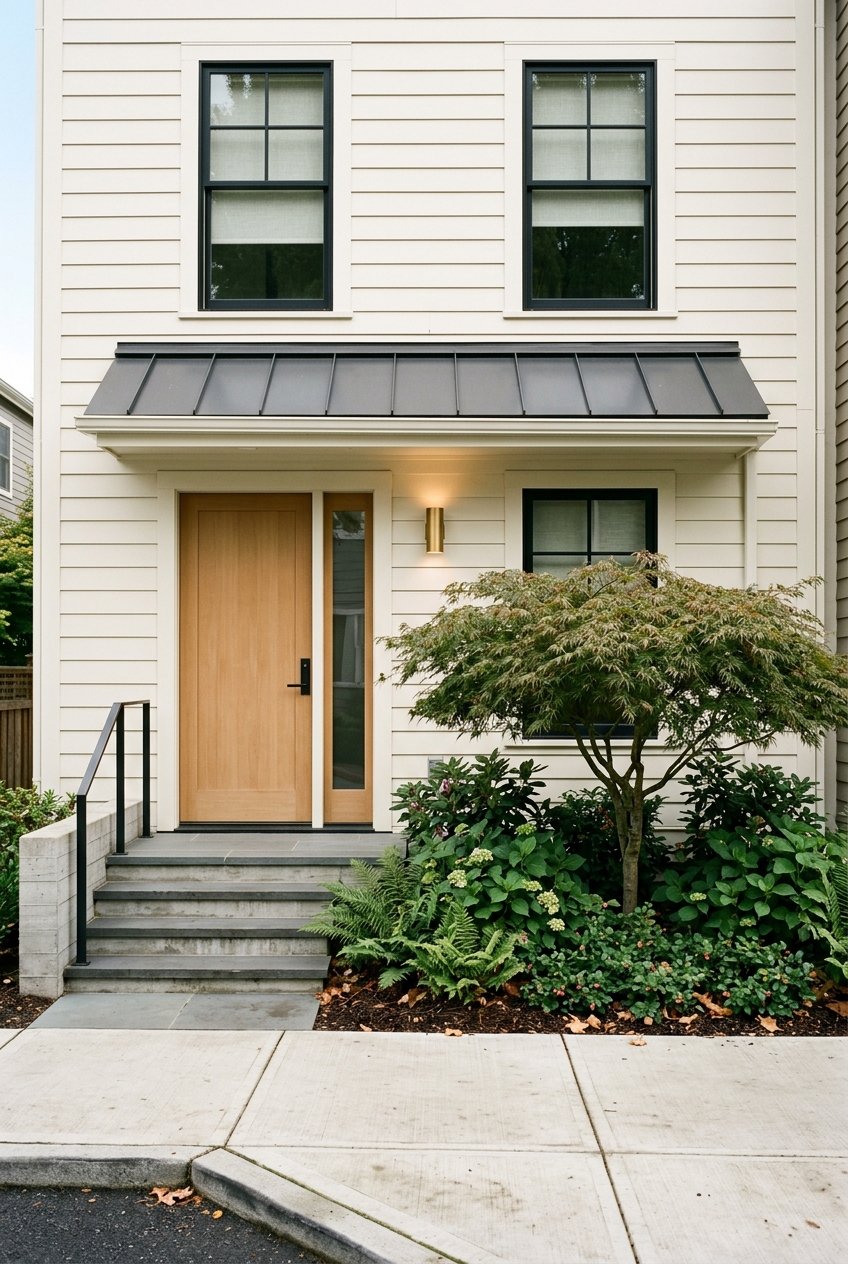
Capitol Hill does not feel cookie-cutter. Seattle design guidance points to a mix of early- and mid-century apartment buildings, modest houses, duplexes, newer townhomes, and larger infill in some areas.
That variety creates much of the neighborhood’s visual interest. You can see a classic apartment building, a finely scaled older house, and a newer townhome project within a few blocks of each other.
For buyers, that means the search can be very design-driven. Ownership opportunities often show up in condos, loft-like spaces, and newer townhomes, while quieter pockets may include older houses and small-scale multifamily buildings with more historic character.
Historic areas come with charm and limits
The Harvard-Belmont Landmark District is known for early-20th-century homes, tree-shaded streets, open vistas, and wooded ravines. These blocks can feel especially graceful and established.
That charm can come with extra considerations. In historic areas, exterior changes may require review or approval, so ownership may include preservation-related rules alongside the appeal of a distinctive setting.
Daily life is transit-friendly
One of the biggest lifestyle advantages of Capitol Hill is how easy it can be to get around without relying on a car for every trip. City planning materials describe the neighborhood as one of Seattle’s most transit-friendly areas.
Capitol Hill Station sits just east of Broadway, and the First Hill Streetcar connects Capitol Hill with First Hill, Little Saigon, Pioneer Square, and the International District. Many residents can also walk, bike, or take transit to work and daily needs.
This shapes the feel of everyday life more than many buyers expect. If your ideal routine includes shorter trips, fewer car-dependent errands, and more spontaneity in how you move through the city, Capitol Hill often supports that naturally.
Parks soften the urban pace
Capitol Hill may be dense, but it does not feel entirely hard-edged. Green space plays a major role in that balance.
Cal Anderson Park is often described as the hub of Capitol Hill. It sits near the light rail station and includes a fountain, reflecting pool, play area, wading pool, sports field, and the AIDS Memorial Pathway.
Volunteer Park brings another kind of experience, with its Olmsted design, the Volunteer Park Conservatory, and the Seattle Asian Art Museum. Interlaken Park offers wooded trails on the north end, while Broadway Hill Park works more like a neighborhood gathering lawn or public front porch.
These spaces help create breathing room in a compact neighborhood. If you want city living without losing access to outdoor pauses, Capitol Hill offers more of that than many people expect.
Arts and culture are part of the identity
Capitol Hill’s cultural identity is not just informal reputation. Seattle’s Office of Arts & Culture designates it as an Arts & Cultural District, and the city says Pike/Pine is the densest arts neighborhood in Washington, with more than 40 arts and cultural organizations.
That gives the neighborhood a sense of creative momentum. Local anchors named by the city include Elliott Bay Book Company, the Egyptian, Neumos, Hugo House, Century Ballroom, and 12th Ave Arts.
At the same time, the city also notes that rising rents and redevelopment put pressure on that cultural ecosystem. So part of what living here feels like is being in a place with real energy and creativity, but also some churn and change.
Cost is part of the reality
Capitol Hill is a high-demand, central neighborhood, and the cost picture reflects that. In the 2022 profile, median gross rent was about $1,903.
The same report found that 45% of renters and 30% of owners were cost-burdened. That does not define every household’s experience, but it does underscore that living in Capitol Hill often means paying for location, access, and lifestyle.
For buyers, this usually means being clear about tradeoffs. You may get a smaller footprint in exchange for a more connected daily routine, stronger transit access, and a neighborhood experience that feels active and urban.
Who tends to love living here
Capitol Hill often works best for people who want their neighborhood to be part of their daily life, not just the place where they sleep. If you value walkability, transit, arts, design variety, and the ability to move easily between quiet blocks and active streets, it can be a very compelling fit.
It also tends to suit buyers and renters who are comfortable with smaller-scale homes or condos. If you are looking for a polished townhome, a condo with character, or an urban home base close to the heart of Seattle, Capitol Hill deserves a close look.
For relocating buyers, this is one of those neighborhoods where local guidance matters. The difference between feeling energized and feeling overwhelmed can come down to choosing the right pocket, building style, and proximity to the neighborhood’s busiest corridors.
Who may want a different fit
Capitol Hill is not for everyone, and that is useful to know upfront. If you prioritize large yards, easy parking, a quieter suburban rhythm, or a strongly auto-oriented lifestyle, the tradeoffs here may feel more noticeable.
That does not make the neighborhood less appealing. It simply means the best match usually comes from being honest about how you want your home and your day-to-day routine to feel.
A thoughtful home search in Capitol Hill is often less about asking, “Do I like the neighborhood?” and more about asking, “Which part of Capitol Hill fits me best?”
What it really feels like
At its core, living on Capitol Hill feels connected. You are close to transit, parks, arts venues, older architecture, newer infill, and a wide range of daily routines all happening at once.
It can feel vibrant, compact, creative, and convenient. It can also feel busy, expensive, and block-by-block in ways that matter.
If that combination sounds appealing, Capitol Hill can offer one of Seattle’s most distinctive urban living experiences. And if you want help sorting through which streets, building types, or ownership options fit your goals, working with a calm, neighborhood-savvy advisor can make the process much clearer.
If you are considering a move in Seattle and want thoughtful guidance on lifestyle, location, and long-term value, Andrea Korican would be glad to help.
FAQs
What does daily life in Capitol Hill Seattle feel like?
- Daily life in Capitol Hill often feels urban, connected, and flexible, with easy access to transit, parks, arts venues, and a mix of quiet residential blocks and active commercial streets.
What types of homes are common in Capitol Hill Seattle?
- Capitol Hill has many studios, one-bedroom homes, apartments, condos, duplexes, older houses, and newer townhomes, with a housing mix that generally skews toward smaller living spaces.
Is Capitol Hill Seattle good for car-free living?
- Capitol Hill is one of Seattle’s more transit-friendly neighborhoods, with Link light rail, the First Hill Streetcar, and strong potential for walking, biking, and transit use in daily routines.
Are there quiet parts of Capitol Hill Seattle?
- Yes. Capitol Hill includes multiple micro-neighborhoods, and some areas, especially finer-scaled residential pockets, can feel much quieter and leafier than the busier nightlife corridors.
What are the tradeoffs of living in Capitol Hill Seattle?
- The main tradeoffs often include smaller homes, higher housing costs, less emphasis on large lots or easy parking, and a more active street environment than you would find in a suburban setting.
Is Capitol Hill Seattle a good fit for buyers?
- Capitol Hill can be a strong fit for buyers who want an urban lifestyle, design variety, transit access, and ownership options such as condos, loft-style homes, townhomes, and select older houses.